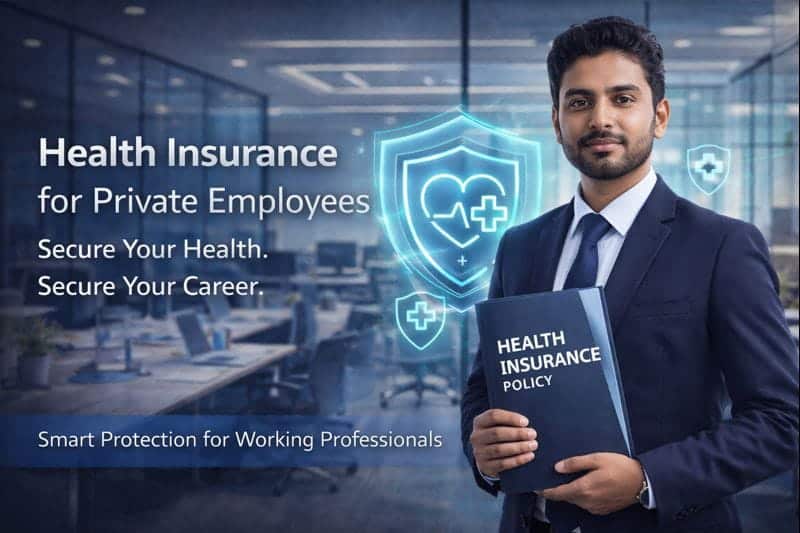
Health Insurance for Private Employees: Why It Matters and How to Choose the Right Plan
Health Insurance for Private Employees: Why It Matters and How to Choose the Right Plan
In today’s fast-paced corporate life, private employees often focus on career growth, deadlines, and financial stability. Amid all this, health usually takes a back seat—until a medical emergency strikes. Rising healthcare costs in India have made medical treatment expensive, and even a short hospital stay can disturb savings. This is where health insurance for private employees becomes essential.
Health insurance is no longer a luxury; it is a basic financial safety net that every working professional should have.
What Is Health Insurance for Private Employees?
Health insurance for private employees is a policy that covers medical expenses such as hospitalization, surgeries, doctor consultations, and treatment costs. It can be provided by the employer as a group health insurance policy or purchased individually by the employee.
While many private companies offer group health insurance, the coverage is often limited. Therefore, having a personal health insurance plan along with employer coverage is always a wise decision.
Why Health Insurance Is Important for Private Employees
Private sector employees do not have the same job security or long-term medical benefits as government employees. A sudden illness or accident can lead to financial stress if there is no proper health coverage.
Health insurance helps private employees:
- Manage unexpected medical expenses
- Protect savings and investments
- Access quality healthcare without worrying about costs
- Focus on recovery instead of financial pressure
Rising Healthcare Costs in India
Medical inflation in India is increasing every year. Expenses related to hospitalization, diagnostic tests, surgeries, and medicines have become significantly higher. A single medical emergency can cost several lakhs, especially in private hospitals.
Without health insurance, private employees may have to:
- Use savings or emergency funds
- Take personal loans
- Depend on family support
Health insurance ensures that such situations do not affect long-term financial plans.
Types of Health Insurance Available for Private Employees
1. Employer-Provided Group Health Insurance
Many private companies offer group health insurance to their employees. These plans usually cover hospitalization, pre and post-hospitalization expenses, and sometimes dependents.
However, group insurance often has:
- Limited sum insured
- No coverage after leaving the job
- Restricted policy features
2. Individual Health Insurance Plans
An individual health insurance policy is purchased personally and remains active regardless of job changes. It offers wider coverage and flexibility.
3. Family Floater Health Insurance
This plan covers the employee along with family members such as spouse, children, and sometimes parents under a single sum insured.
4. Top-Up and Super Top-Up Plans
These plans provide additional coverage at a lower premium and are useful when employer insurance has limited coverage.
Key Benefits of Health Insurance for Private Employees
1. Financial Protection
Health insurance covers hospitalization costs, surgery expenses, ICU charges, and medical bills, reducing the financial burden during emergencies.
2. Cashless Hospitalization
Most insurers offer cashless treatment at network hospitals, where the insurance company directly settles the bill.
3. Coverage for Modern Treatments
Many policies cover advanced medical procedures, daycare surgeries, and modern treatments.
4. Pre and Post-Hospitalization Expenses
Expenses incurred before and after hospitalization, such as diagnostics and follow-up consultations, are covered.
5. Tax Benefits
Premium paid for health insurance qualifies for tax deductions under Section 80D of the Income Tax Act.
6. Mental Peace
Knowing that medical expenses are covered allows private employees to focus on work and life without constant worry.
Limitations of Only Relying on Employer Health Insurance
While employer-provided insurance is helpful, it has certain limitations:
- Coverage ends when you leave the company
- Sum insured may not be sufficient for major illnesses
- Limited customization options
- Employer controls policy terms
Having a personal health insurance policy ensures continuity and adequate coverage.
How to Choose the Right Health Insurance Plan
1. Check Sum Insured
Choose a sum insured that matches current healthcare costs and your lifestyle. For metro cities, higher coverage is recommended.
2. Understand Policy Coverage
Read policy documents carefully to understand what is covered and what is excluded.
3. Network Hospitals
Ensure the insurer has a wide network of hospitals near your residence and workplace.
4. Waiting Periods
Check waiting periods for pre-existing diseases, maternity benefits, and specific treatments.
5. Claim Settlement Ratio
Choose insurers with a good claim settlement record to avoid issues during emergencies.
Health Insurance Claim Process for Private Employees
The claim process is generally simple and transparent.
Cashless Claim Process
- Get admitted to a network hospital
- Inform the insurer or TPA
- Submit health card and documents
- Claim is settled directly with the hospital
Reimbursement Claim Process
- Pay medical bills upfront
- Submit bills and documents to insurer
- Claim amount is reimbursed after verification
Common Mistakes Private Employees Should Avoid
- Relying only on company insurance
- Choosing low sum insured to save premium
- Ignoring policy exclusions
- Delaying the purchase of health insurance
Buying health insurance early helps lock in lower premiums and shorter waiting periods.
Why Health Insurance Is a Smart Investment
Health insurance is not an expense—it is an investment in financial stability and well-being. For private employees, job changes, relocations, and lifestyle risks make personal health insurance even more important.
With the right plan, employees can:
- Stay prepared for medical emergencies
- Protect their income and savings
- Secure their family’s future
Conclusion
Health insurance for private employees is an essential part of modern financial planning. While employer-provided coverage offers basic protection, a personal health insurance policy ensures complete and long-term security. Rising medical costs and unpredictable health issues make it important to stay insured at all times.
Also Read:
Accident Insurance for Construction Workers: Benefits, Coverage & Claim Process